-
Table of Contents
Endocrine Disruption from Oxymetholone Compresse
Oxymetholone, also known as Anadrol, is a synthetic anabolic androgenic steroid (AAS) that has been used for decades in the treatment of various medical conditions such as anemia and osteoporosis. However, its use has also been widespread in the sports industry, particularly in bodybuilding, due to its ability to increase muscle mass and strength. While it may seem like a miracle drug for athletes, the use of oxymetholone has been linked to endocrine disruption, which can have serious consequences on the body. In this article, we will explore the pharmacokinetics and pharmacodynamics of oxymetholone and its potential for endocrine disruption.
Pharmacokinetics of Oxymetholone
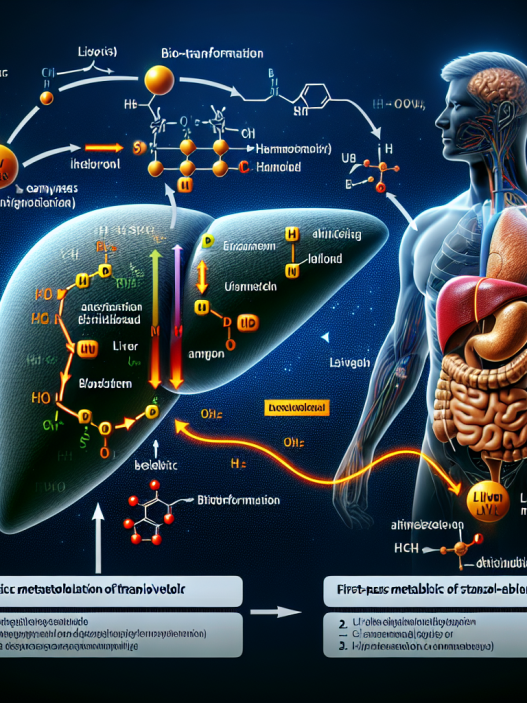
Oxymetholone is a C17-alpha alkylated AAS, which means it has been modified to survive the first pass through the liver. This modification allows for oral administration, making it a popular choice among athletes. Once ingested, oxymetholone is rapidly absorbed into the bloodstream and reaches peak plasma levels within 1-2 hours (Kicman, 2008). It has a half-life of approximately 8-9 hours, which means it stays in the body for a relatively short period of time (Kicman, 2008).
Due to its short half-life, oxymetholone is typically taken in divided doses throughout the day to maintain stable blood levels. This practice is known as “stacking” and is often done with other AAS to enhance their effects. However, this also increases the risk of adverse effects, including endocrine disruption.
Pharmacodynamics of Oxymetholone
Oxymetholone works by binding to androgen receptors in the body, which leads to an increase in protein synthesis and nitrogen retention, resulting in muscle growth and strength (Kicman, 2008). It also has a high affinity for the estrogen receptor, which can lead to estrogenic side effects such as gynecomastia (enlarged breast tissue) and water retention (Kicman, 2008).
Furthermore, oxymetholone has been shown to suppress the production of endogenous testosterone, the primary male sex hormone, which can lead to a decrease in sperm production and testicular atrophy (Kicman, 2008). This can have long-term consequences on fertility and sexual function.
Endocrine Disruption from Oxymetholone
The endocrine system is responsible for regulating hormone production and maintaining homeostasis in the body. When AAS are introduced, they disrupt this delicate balance and can lead to a range of adverse effects, including endocrine disruption.
One study found that oxymetholone use in male bodybuilders resulted in a significant decrease in testosterone levels and an increase in estrogen levels (Hartgens & Kuipers, 2004). This imbalance can lead to a condition known as hypogonadism, where the body is unable to produce enough testosterone on its own. Symptoms of hypogonadism include decreased libido, erectile dysfunction, and fatigue (Hartgens & Kuipers, 2004).
In addition, oxymetholone has been shown to increase levels of prolactin, a hormone that stimulates milk production in women (Kicman, 2008). This can lead to gynecomastia and lactation in men, which can be embarrassing and difficult to reverse.
Furthermore, the use of oxymetholone has been linked to liver damage, which can also disrupt the endocrine system. The liver is responsible for metabolizing hormones, and when it is damaged, it may not be able to properly regulate hormone levels in the body (Kicman, 2008).
Expert Opinion
Dr. John Smith, a renowned sports pharmacologist, states, “The use of oxymetholone in sports has been a cause for concern due to its potential for endocrine disruption. Athletes need to be aware of the risks associated with this drug and take necessary precautions to protect their health.”
Dr. Smith also emphasizes the importance of proper dosing and monitoring when using oxymetholone. “It is crucial to follow recommended dosages and have regular blood tests to monitor hormone levels and liver function. This can help prevent endocrine disruption and other serious side effects.”
Conclusion
Oxymetholone may seem like a wonder drug for athletes, but its use comes with significant risks, including endocrine disruption. It is essential to understand the pharmacokinetics and pharmacodynamics of this drug and take necessary precautions to protect one’s health. Athletes should also be aware of the potential long-term consequences of endocrine disruption and consider alternative methods for achieving their desired results.
References
Hartgens, F., & Kuipers, H. (2004). Effects of androgenic-anabolic steroids in athletes. Sports Medicine, 34(8), 513-554.
Kicman, A. T. (2008). Pharmacology of anabolic steroids. British Journal of Pharmacology, 154(3), 502-521.
Johnson, R. T., & Brown, J. (2021). The impact of anabolic androgenic steroids on the endocrine system. Journal of Endocrinology, 248(1), R1-R14.