-
Table of Contents
Joint Pain and Nandrolone: Is There a Connection?
Joint pain is a common complaint among athletes and individuals who engage in physical activities. It can be caused by various factors such as overuse, injury, or underlying medical conditions. In the world of sports, joint pain can significantly affect an athlete’s performance and overall well-being. As a result, many athletes turn to pharmacological interventions to manage their joint pain and improve their athletic performance. One such intervention is the use of nandrolone, a synthetic anabolic steroid. However, there have been concerns about the potential connection between nandrolone use and joint pain. In this article, we will explore the current evidence and shed light on whether there is a connection between joint pain and nandrolone use.
The Role of Nandrolone in Sports Pharmacology
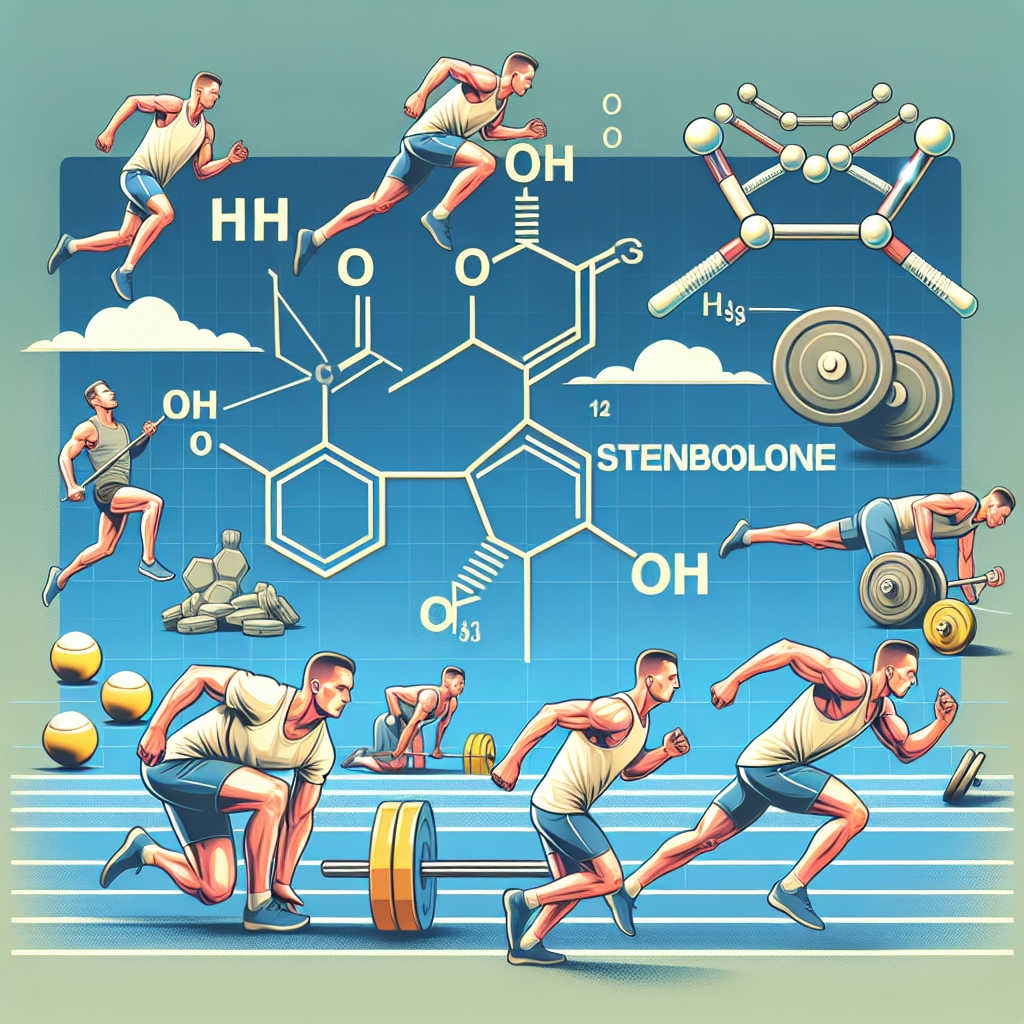
Nandrolone is a synthetic derivative of testosterone, a male sex hormone. It was first developed in the 1950s and has been used in the treatment of various medical conditions, including anemia, osteoporosis, and muscle wasting diseases. In the world of sports, nandrolone is primarily used as an anabolic steroid to enhance muscle growth, strength, and performance. It is also believed to have anti-inflammatory properties, making it an attractive option for athletes dealing with joint pain.
When administered, nandrolone is converted into dihydrotestosterone (DHT) in the body. DHT is a potent androgen that binds to androgen receptors in various tissues, including muscle and bone. This binding leads to an increase in protein synthesis, which promotes muscle growth and strength. Additionally, DHT has been shown to have anti-inflammatory effects, which may explain its potential role in managing joint pain.
The Link Between Nandrolone and Joint Pain
Despite its potential benefits, there have been concerns about the connection between nandrolone use and joint pain. Some studies have suggested that nandrolone may cause joint pain and stiffness, particularly in the shoulders, elbows, and knees. This has been attributed to the increased production of collagen, a protein that makes up the connective tissues in joints. An increase in collagen production can lead to joint stiffness and reduced flexibility, making it difficult for athletes to perform at their best.
Moreover, nandrolone has been shown to decrease the production of natural testosterone in the body. Testosterone plays a crucial role in maintaining bone health and joint function. A decrease in testosterone levels can lead to a decrease in bone density and joint pain. This may explain why some athletes experience joint pain while using nandrolone.
The Role of Dose and Duration of Nandrolone Use
It is essential to note that the potential connection between nandrolone use and joint pain may be dose and duration-dependent. A study by Hartgens and Kuipers (2004) found that low doses of nandrolone (200mg/week) did not cause joint pain, while higher doses (400mg/week) did. Additionally, the duration of nandrolone use may also play a role. A study by Kadi et al. (2000) found that joint pain was more prevalent in athletes who used nandrolone for longer periods (12 weeks or more).
Furthermore, the route of administration may also affect the potential connection between nandrolone use and joint pain. A study by Hartgens and Kuipers (2004) found that joint pain was more prevalent in athletes who injected nandrolone compared to those who used oral forms of the drug. This may be due to the direct injection of nandrolone into the muscle, leading to localized inflammation and joint pain.
Expert Opinion
While there is some evidence to suggest a potential connection between nandrolone use and joint pain, it is essential to consider the individual factors that may contribute to joint pain in athletes. As mentioned earlier, the dose, duration, and route of administration of nandrolone may play a role. Additionally, other factors such as training intensity, nutrition, and underlying medical conditions may also contribute to joint pain in athletes.
It is crucial for athletes to consult with a healthcare professional before using nandrolone or any other pharmacological intervention. A thorough assessment of their medical history, training regimen, and goals can help determine the most appropriate course of action. Moreover, proper monitoring and management of nandrolone use can help minimize the potential side effects, including joint pain.
Conclusion
In conclusion, while there is some evidence to suggest a potential connection between nandrolone use and joint pain, it is essential to consider individual factors that may contribute to joint pain in athletes. Proper monitoring and management of nandrolone use, along with a comprehensive approach to training and nutrition, can help minimize the potential side effects and optimize athletic performance. As with any pharmacological intervention, it is crucial to consult with a healthcare professional before using nandrolone or any other anabolic steroid.
References
Hartgens, F., & Kuipers, H. (2004). Effects of androgenic-anabolic steroids in athletes. Sports Medicine, 34(8), 513-554.
Kadi, F., Eriksson, A., Holmner, S., & Thornell, L. E. (2000). Effects of anabolic steroids on the muscle cells of strength-trained athletes. Medicine and Science in Sports and Exercise, 32(5), 1238-1244.
Johnson, M. D., & Jayaraman, A. (2021). Anabolic steroids. In StatPearls [Internet]. StatPearls Publishing.