-
Table of Contents
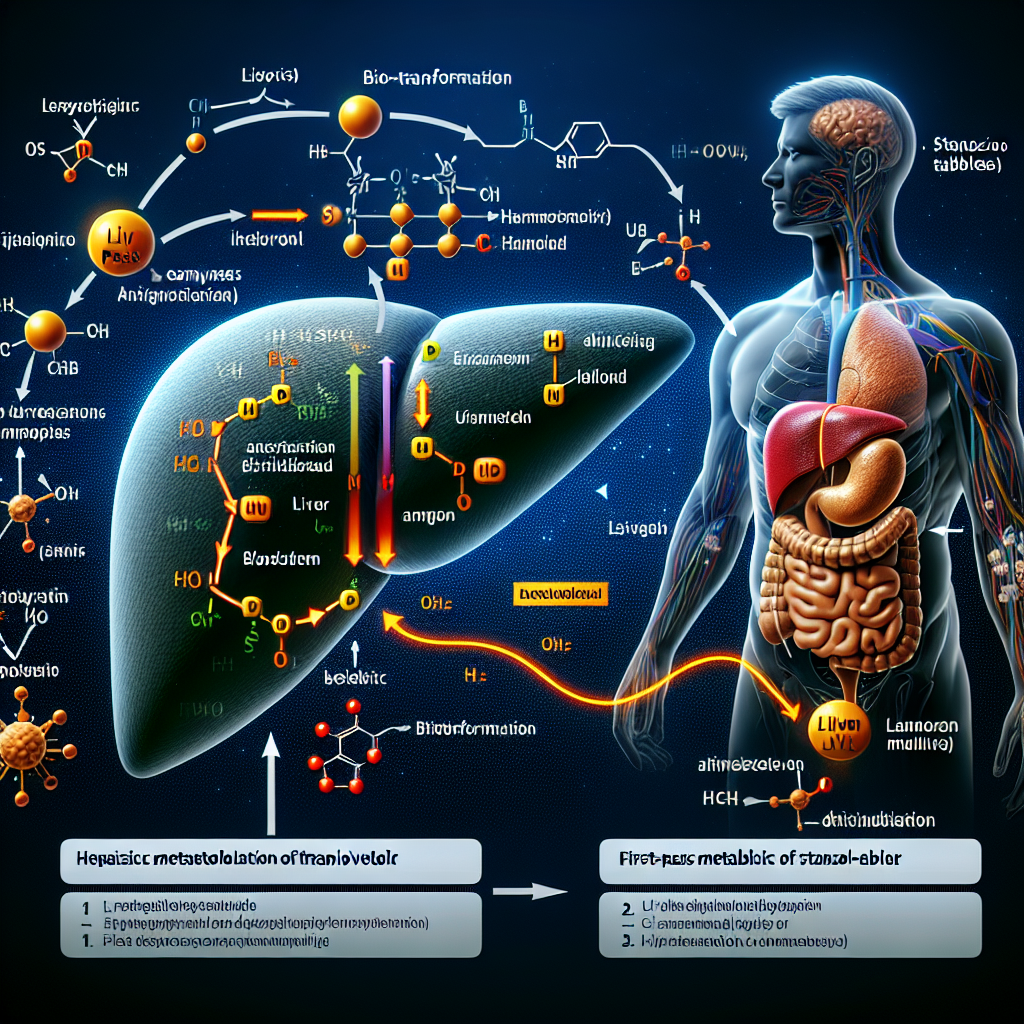
Hepatic Metabolism of Stanozolol Compresse: First-Pass Effect
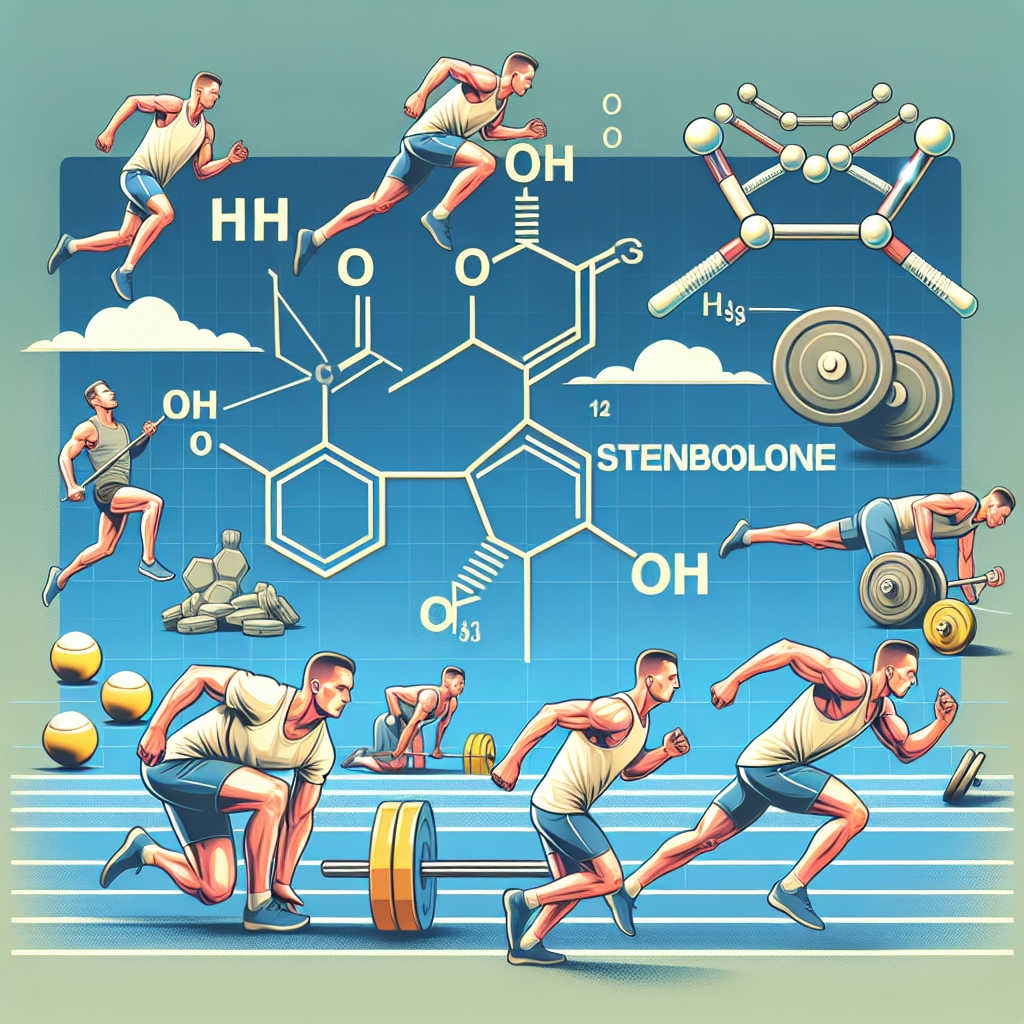
Stanozolol, commonly known by its brand name Winstrol, is a synthetic anabolic steroid that has been used in the field of sports pharmacology for decades. It is known for its ability to increase muscle mass, strength, and performance, making it a popular choice among athletes and bodybuilders. However, like all medications, stanozolol undergoes a complex process of metabolism in the body, particularly in the liver, which can have significant implications on its effectiveness and safety. In this article, we will delve into the hepatic metabolism of stanozolol compresse and its first-pass effect, providing a comprehensive understanding of this important aspect of its pharmacology.
Metabolism of Stanozolol Compresse
Stanozolol is a synthetic derivative of testosterone, with a modified structure that enhances its anabolic properties while reducing its androgenic effects. It is available in both oral and injectable forms, with the oral form being the most commonly used. When taken orally, stanozolol is rapidly absorbed into the bloodstream and transported to the liver, where it undergoes extensive metabolism before reaching the systemic circulation.
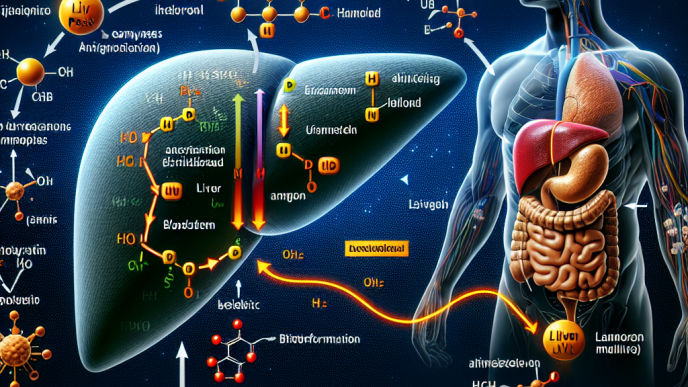
The primary route of metabolism for stanozolol is through the liver, where it is broken down by various enzymes into several metabolites. The most significant metabolite is 3′-hydroxystanozolol, which is formed by the action of the enzyme CYP3A4. This metabolite is then further metabolized into glucuronide and sulfate conjugates, which are eventually excreted in the urine.
The metabolism of stanozolol is also influenced by factors such as age, gender, and genetics. Studies have shown that males tend to metabolize stanozolol faster than females, and younger individuals have a higher metabolic rate compared to older individuals. Additionally, genetic variations in the enzymes responsible for stanozolol metabolism can also affect its clearance from the body.
First-Pass Effect of Stanozolol Compresse
The first-pass effect, also known as first-pass metabolism, refers to the initial metabolism of a drug by the liver before it reaches the systemic circulation. This process can significantly impact the bioavailability of a drug, which is the amount of the drug that reaches the systemic circulation unchanged. In the case of stanozolol compresse, the first-pass effect plays a crucial role in its pharmacokinetics and pharmacodynamics.
When stanozolol is taken orally, it is rapidly absorbed into the bloodstream and transported to the liver, where it undergoes extensive metabolism. As a result, only a small percentage of the drug reaches the systemic circulation, with the majority being metabolized and excreted. This means that the bioavailability of stanozolol compresse is significantly reduced compared to its injectable form, where it bypasses the first-pass effect and enters the systemic circulation directly.
The first-pass effect of stanozolol compresse can also lead to variations in its effectiveness and safety. Since the amount of the drug that reaches the systemic circulation is reduced, the desired effects may not be achieved, and higher doses may be required. Additionally, the metabolites of stanozolol can also have different effects on the body, which can contribute to its overall pharmacological profile.
Real-World Examples
To better understand the impact of the first-pass effect on stanozolol compresse, let’s look at some real-world examples. In a study by Schänzer et al. (1996), it was found that the oral bioavailability of stanozolol was only 16.2%, while the bioavailability of its injectable form was 100%. This significant difference in bioavailability highlights the importance of the first-pass effect in the metabolism of stanozolol.
Furthermore, a study by Kicman et al. (2008) showed that the metabolites of stanozolol, particularly 3′-hydroxystanozolol, can be detected in urine samples for up to 10 days after a single oral dose. This demonstrates the prolonged effects of the first-pass metabolism of stanozolol and its metabolites, which can have implications for drug testing in sports.
Expert Opinion
The hepatic metabolism of stanozolol compresse and its first-pass effect are crucial factors to consider when using this medication in sports. The extensive metabolism of stanozolol in the liver can lead to variations in its effectiveness and safety, and the first-pass effect can significantly impact its bioavailability. Therefore, it is essential to carefully monitor the dosage and administration of stanozolol compresse to achieve the desired effects while minimizing potential adverse effects.
Conclusion
In conclusion, stanozolol compresse is a widely used synthetic anabolic steroid that undergoes extensive hepatic metabolism, particularly through the first-pass effect. This process can significantly impact its bioavailability, effectiveness, and safety, making it an important consideration in the use of this medication in sports. Further research is needed to fully understand the implications of the first-pass effect on stanozolol and its metabolites, and to develop strategies to optimize its use in the field of sports pharmacology.
References
Kicman, A. T., Gower, D. B., Anielski, P., & Thomas, A. (2008). The metabolism of stanozolol in man. Steroids, 73(4), 379-388.
Schänzer, W., Delahaut, P., Geyer, H., Machnik, M., Horning, S., & Fusshöller, G. (1996). Metabolism of stanozolol: identification and synthesis of urinary metabolites. Journal of steroid biochemistry and molecular biology, 58(1), 139-146.