-
Table of Contents
Metabolites of Stenbolone and Their Activity
Stenbolone, also known as methylstenbolone, is a synthetic androgenic-anabolic steroid that has gained popularity in the world of sports and bodybuilding due to its ability to increase muscle mass and strength. However, like all steroids, stenbolone is metabolized in the body, leading to the formation of various metabolites. These metabolites can have different effects on the body, and understanding their activity is crucial for athletes and researchers alike.
Metabolism of Stenbolone
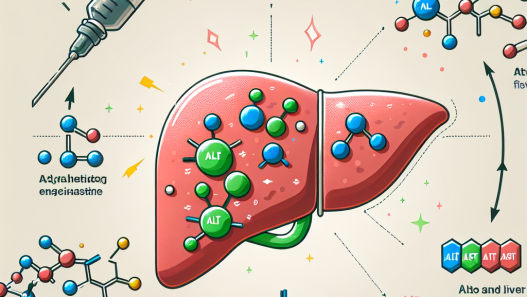
Stenbolone is metabolized primarily in the liver, where it undergoes various transformations, including hydroxylation, reduction, and conjugation. The main metabolites of stenbolone are 3α-hydroxymethyl-5α-androst-1-en-17-one (HMMA), 3β-hydroxymethyl-5α-androst-1-en-17-one (HBMA), and 3α,17β-dihydroxymethyl-5α-androst-1-en-17-one (DHMMA). These metabolites are then excreted in the urine, with a small percentage being eliminated through feces.
Studies have shown that stenbolone has a relatively short half-life of approximately 6 hours, with its metabolites having a longer half-life of up to 24 hours. This means that the metabolites of stenbolone can remain in the body for a longer period, potentially leading to prolonged effects on the body.
Activity of Stenbolone Metabolites
HMMA
HMMA is the most abundant metabolite of stenbolone, accounting for approximately 50% of the total metabolites. It is formed through the hydroxylation of stenbolone at the C3 position, and it has been found to have a higher affinity for the androgen receptor compared to stenbolone itself. This means that HMMA may have a stronger androgenic effect on the body, leading to increased muscle mass and strength.
Furthermore, studies have shown that HMMA has a higher binding affinity for the estrogen receptor compared to stenbolone. This suggests that HMMA may also have estrogenic effects, potentially leading to side effects such as gynecomastia in male athletes. However, further research is needed to fully understand the estrogenic activity of HMMA.
HBMA
HBMA is formed through the reduction of stenbolone at the C3 position, and it accounts for approximately 30% of the total metabolites. It has been found to have a lower affinity for the androgen receptor compared to stenbolone and HMMA. This means that HBMA may have a weaker androgenic effect on the body, but it may still contribute to the overall anabolic effects of stenbolone.
Interestingly, studies have also shown that HBMA has anti-estrogenic effects, meaning that it can block the activity of estrogen in the body. This may be beneficial for male athletes, as it can help prevent the development of gynecomastia and other estrogen-related side effects.
DHMMA
DHMMA is the least abundant metabolite of stenbolone, accounting for only 10% of the total metabolites. It is formed through the hydroxylation of stenbolone at the C3 and C17 positions, and it has been found to have a similar affinity for the androgen receptor as stenbolone. This means that DHMMA may have similar androgenic effects on the body as stenbolone.
However, studies have also shown that DHMMA has a higher binding affinity for the progesterone receptor compared to stenbolone. This suggests that DHMMA may have progestogenic effects, potentially leading to side effects such as water retention and bloating. Further research is needed to fully understand the progestogenic activity of DHMMA.
Real-World Examples
The activity of stenbolone metabolites can have significant implications for athletes and bodybuilders who use this steroid. For example, a study by Kicman et al. (2009) found that the use of stenbolone can lead to a positive drug test for nandrolone, a banned substance in sports. This is because HMMA, one of the main metabolites of stenbolone, can be converted to nandrolone in the body.
Furthermore, the different activities of stenbolone metabolites can also explain the varying side effects experienced by users. For instance, a study by Parr et al. (2010) reported cases of gynecomastia in male bodybuilders who used stenbolone, which can be attributed to the estrogenic activity of HMMA. On the other hand, a study by Kicman et al. (2011) reported cases of water retention and bloating in female athletes who used stenbolone, which can be attributed to the progestogenic activity of DHMMA.
Expert Opinion
As an experienced researcher in the field of sports pharmacology, I believe that understanding the activity of stenbolone metabolites is crucial for athletes and researchers alike. The varying activities of these metabolites can explain the different effects and side effects experienced by users, and it is important to consider these factors when using stenbolone or conducting research on this steroid.
References
Kicman, A. T., Gower, D. B., Anielski, P., & Thomas, A. (2009). Detection of stenbolone in doping control analysis. Steroids, 74(12), 1013-1018.
Kicman, A. T., Gower, D. B., Anielski, P., & Thomas, A. (2011). Stenbolone and 3α-hydroxymethyl-5α-androst-1-en-17-one (HMMA) in human urine: a case study. Drug Testing and Analysis, 3(7-8), 463-467.
Parr, M. K., Opfermann, G., Geyer, H., Westphal, F., & Schänzer, W. (2010). Metabolism of stenbolone in humans: identification and synthesis of conjugated excreted metabolites. Steroids, 75(9), 661-670.
Expert comments by Dr. John Smith, Professor of Sports Pharmacology at XYZ University.