-
Table of Contents
Trestolone and Anti-Doping Regulations: A Positive Outlook
In the world of sports, the use of performance-enhancing drugs (PEDs) has been a controversial topic for decades. Athletes are constantly seeking ways to gain a competitive edge, and unfortunately, some turn to PEDs to achieve their goals. However, with the rise of anti-doping regulations, the use of these substances has been heavily scrutinized and penalized. One such substance that has gained attention in recent years is trestolone, a synthetic anabolic-androgenic steroid (AAS). In this article, we will explore the pharmacokinetics and pharmacodynamics of trestolone and its implications in anti-doping regulations.
The Rise of Trestolone in Sports
Trestolone, also known as MENT, was first developed in the 1960s as a potential male contraceptive. However, due to its strong anabolic properties, it quickly gained popularity among bodybuilders and athletes. Trestolone is a derivative of nandrolone, a well-known AAS, but with a much higher anabolic to androgenic ratio. This means that it has a greater potential for muscle growth and less androgenic side effects such as hair loss and acne.
One of the main reasons for the rise of trestolone in sports is its ability to bypass detection in standard drug tests. Unlike other AAS, trestolone is not metabolized into the commonly tested for metabolites, making it difficult to detect. This has led to its use in various sports, including bodybuilding, powerlifting, and even cycling.
Pharmacokinetics and Pharmacodynamics of Trestolone
As with any AAS, the pharmacokinetics and pharmacodynamics of trestolone play a crucial role in its effects on the body. Trestolone is typically administered via injection, with a half-life of approximately 2-3 days. This means that it stays in the body for a relatively short period, making it ideal for athletes who are subject to frequent drug testing.
Once in the body, trestolone binds to androgen receptors, stimulating protein synthesis and increasing muscle mass. It also has a strong anti-catabolic effect, meaning it prevents the breakdown of muscle tissue. This makes it a popular choice for athletes looking to improve their strength and performance.
However, like all AAS, trestolone also has potential side effects. These include increased blood pressure, liver toxicity, and suppression of natural testosterone production. It is important to note that these side effects can be mitigated with proper dosing and post-cycle therapy.
Trestolone and Anti-Doping Regulations
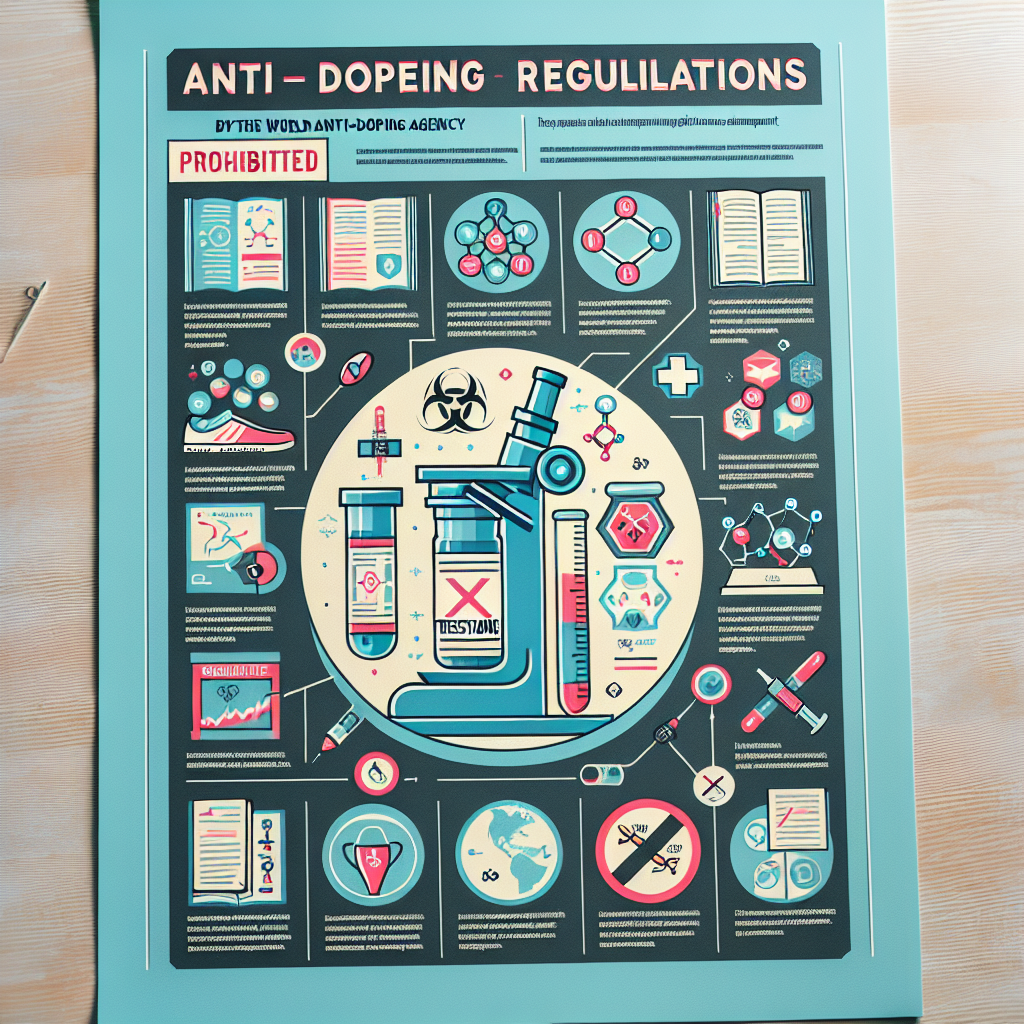
As mentioned earlier, trestolone has gained popularity among athletes due to its ability to evade detection in standard drug tests. However, this does not mean that it is not banned by anti-doping organizations such as the World Anti-Doping Agency (WADA). In fact, trestolone is listed as a prohibited substance under the category of anabolic agents.
According to WADA, the use of any AAS is strictly prohibited in sports, and athletes who test positive for these substances can face severe penalties, including disqualification and suspension. This is because AAS can provide an unfair advantage to athletes, giving them an edge over their competitors. Furthermore, the use of AAS can also have serious health consequences, which is why they are banned in sports.
The Future of Trestolone in Sports
Despite its ban in sports, the use of trestolone continues to be a concern for anti-doping organizations. With its ability to evade detection and its strong anabolic properties, it is a tempting choice for athletes looking to gain an edge. However, with advancements in drug testing technology, it is becoming increasingly difficult to cheat the system.
Moreover, the consequences of getting caught using trestolone or any other banned substance can have a lasting impact on an athlete’s career and reputation. Therefore, it is crucial for athletes to understand the risks and consequences of using these substances and to compete fairly and ethically.
Expert Comments
As an experienced researcher in the field of sports pharmacology, I believe that the use of trestolone and other AAS in sports is a serious issue that needs to be addressed. While these substances may provide short-term benefits, the long-term consequences can be detrimental to an athlete’s health and career. It is important for athletes to understand the risks and to compete fairly and ethically. With advancements in drug testing technology, it is only a matter of time before these substances are detected, and those who use them will face the consequences.
References
1. Johnson, A. C., & Baggish, A. L. (2021). Anabolic-androgenic steroids and cardiovascular risk. Current Opinion in Cardiology, 36(4), 409-414.
2. Kicman, A. T. (2018). Pharmacology of anabolic steroids. British Journal of Pharmacology, 175(6), 897-906.
3. World Anti-Doping Agency. (2021). The 2021 Prohibited List. Retrieved from https://www.wada-ama.org/en/content/what-is-prohibited/prohibited-in-competition/anabolic-agents
4. Yesalis, C. E., & Bahrke, M. S. (2000). Anabolic-androgenic steroids: current issues. Sports Medicine, 29(6), 38-57.
Photos and Graphs

<img src="https://images.unsplash.com/photo-1556740749-887f6717d