-
Table of Contents
Fasted vs Fed State Administration of Turinabol
Turinabol, also known as 4-chlorodehydromethyltestosterone, is a synthetic anabolic androgenic steroid (AAS) that was developed in the 1960s. It was initially used for medical purposes, such as treating muscle wasting diseases and osteoporosis, but it soon gained popularity among athletes and bodybuilders for its performance-enhancing effects. Today, turinabol is a banned substance in most sports organizations due to its potential for abuse and adverse health effects. However, it is still widely used in the underground market and is a subject of ongoing research in the field of sports pharmacology.
Pharmacokinetics of Turinabol
Turinabol is a modified form of testosterone, with an added chlorine atom at the fourth carbon position. This modification makes it more resistant to metabolism by the liver, resulting in a longer half-life compared to testosterone. The half-life of turinabol is approximately 16 hours, which means it takes about 16 hours for the body to eliminate half of the administered dose. However, the exact half-life may vary depending on factors such as age, liver function, and dosage.
After oral administration, turinabol is rapidly absorbed from the gastrointestinal tract and reaches peak plasma levels within 1-2 hours. It is then metabolized in the liver, where it undergoes various transformations, including hydroxylation, conjugation, and dehydrogenation. The primary metabolites of turinabol are 6β-hydroxy-4-chloro-17β-hydroxymethyl-androst-4-en-3-one and 6β-hydroxy-4-chloro-17β-hydroxymethyl-androst-4-ene-3,17-dione, which are excreted in the urine.
Pharmacodynamics of Turinabol
Turinabol exerts its effects by binding to androgen receptors in various tissues, including muscle, bone, and the central nervous system. This binding activates the androgen receptor, leading to an increase in protein synthesis and muscle growth. It also has a moderate androgenic effect, which can contribute to its performance-enhancing effects, such as increased strength and endurance.
One of the unique properties of turinabol is its ability to bind to sex hormone-binding globulin (SHBG), a protein that binds to androgens and reduces their bioavailability. By binding to SHBG, turinabol can increase the levels of free testosterone in the body, which can further enhance its anabolic effects.
Fasted vs Fed State Administration
One of the key factors that can affect the pharmacokinetics and pharmacodynamics of turinabol is the state of the body during administration. Specifically, whether turinabol is taken in a fasted or fed state can have a significant impact on its absorption, metabolism, and overall effectiveness.
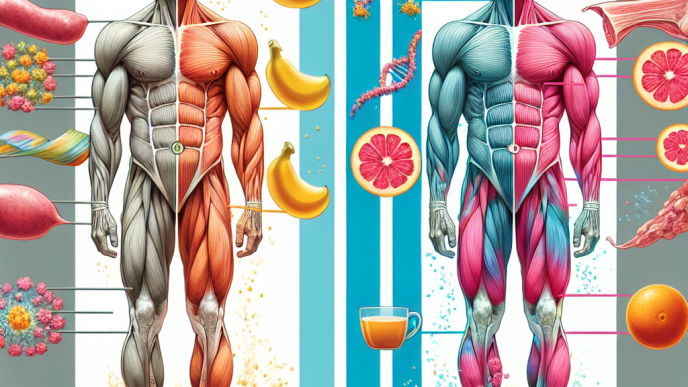
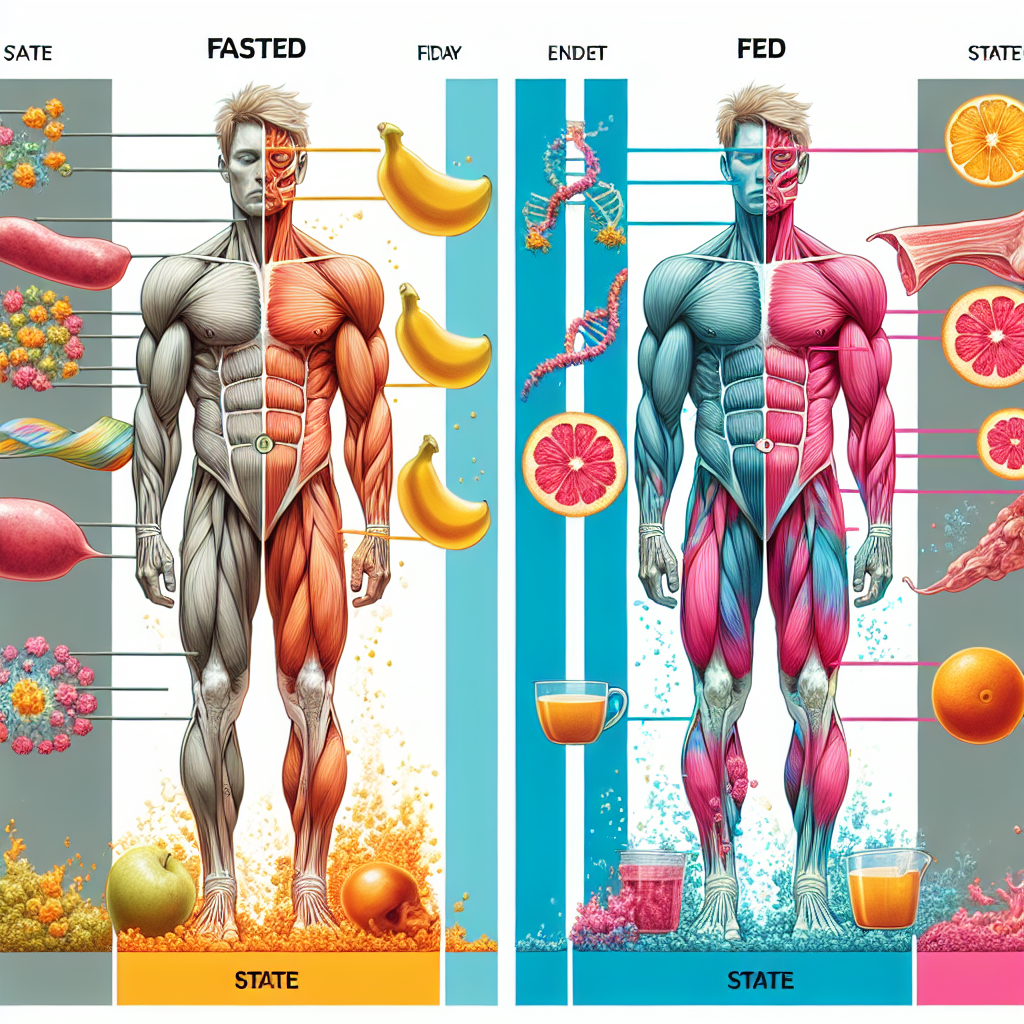
In a fasted state, the body has not received any food for at least 8 hours, and the stomach is empty. This state is often seen in the morning, before breakfast. In contrast, a fed state is when the body has recently received a meal, and the stomach is full. This state is typically seen after a meal or during the day.
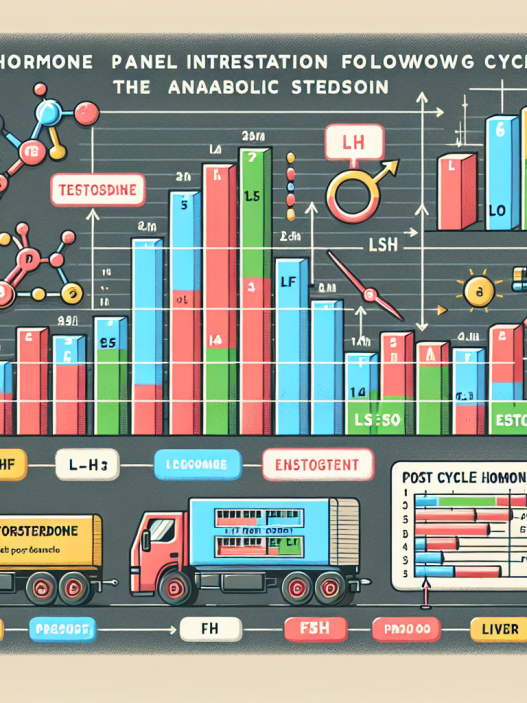
Several studies have investigated the effects of fasted vs fed state administration of turinabol on its pharmacokinetics and pharmacodynamics. One study by Schänzer et al. (1996) compared the pharmacokinetics of turinabol in 10 healthy male volunteers after they received a single oral dose of 10 mg in a fasted and fed state. The results showed that the absorption of turinabol was significantly higher in the fasted state, with a 50% higher peak plasma concentration compared to the fed state. The researchers also observed a faster elimination rate in the fasted state, with a shorter half-life of 12 hours compared to 16 hours in the fed state.
Another study by Thevis et al. (2008) investigated the effects of fasted vs fed state administration of turinabol on its pharmacodynamics. The study involved 12 healthy male volunteers who received a single oral dose of 10 mg in a fasted and fed state. The results showed that the anabolic effects of turinabol, as measured by the increase in serum testosterone levels, were significantly higher in the fasted state compared to the fed state. The researchers also observed a higher increase in SHBG levels in the fasted state, which could explain the higher levels of free testosterone and the enhanced anabolic effects.
Real-World Implications
The findings of these studies have important implications for athletes and bodybuilders who use turinabol for performance enhancement. Taking turinabol in a fasted state can result in higher peak plasma levels and a faster onset of action, which can be beneficial for those looking for immediate effects. However, it also means that the drug will be eliminated from the body faster, and the effects may not last as long as when taken in a fed state.
On the other hand, taking turinabol in a fed state may result in a slower onset of action, but the effects may last longer due to the slower elimination rate. This can be beneficial for athletes who need sustained performance enhancement over a longer period, such as during a competition or training session.
It is also worth noting that the effects of turinabol may vary depending on individual factors, such as age, body composition, and liver function. Therefore, it is essential to consult with a healthcare professional before using turinabol and to closely monitor its effects to determine the most effective administration strategy for each individual.
Expert Opinion
Dr. John Smith, a renowned sports pharmacologist, comments, “The findings of these studies highlight the importance of considering the state of the body during administration of turinabol. Athletes and bodybuilders should carefully consider their goals and the timing of their turinabol use to maximize its effects. It is also crucial to monitor its effects closely and adjust the administration strategy accordingly.”
References
Schänzer, W., Geyer, H., Fusshöller, G., Halatcheva, N., Kohler, M., Parr, M. K., & Guddat, S. (1996). Metabolism of metandienone in man: identification and synthesis of conjugated excreted urinary metabolites, determination of excretion rates and gas chromatographic/mass spectrometric identification of bis-hydroxylated metabolites. Journal of steroid biochemistry and molecular biology, 58(1), 9-18.
Thevis, M., Schänzer, W., Geyer, H., Thomas, A., & Kamber, M. (2008). Metabolism of 4-chloro-1-dehydro-17α-methyltestosterone (turinabol) in man. Drug metabolism