-
Table of Contents
Drostanolone and Fertility: Clinical Perspectives
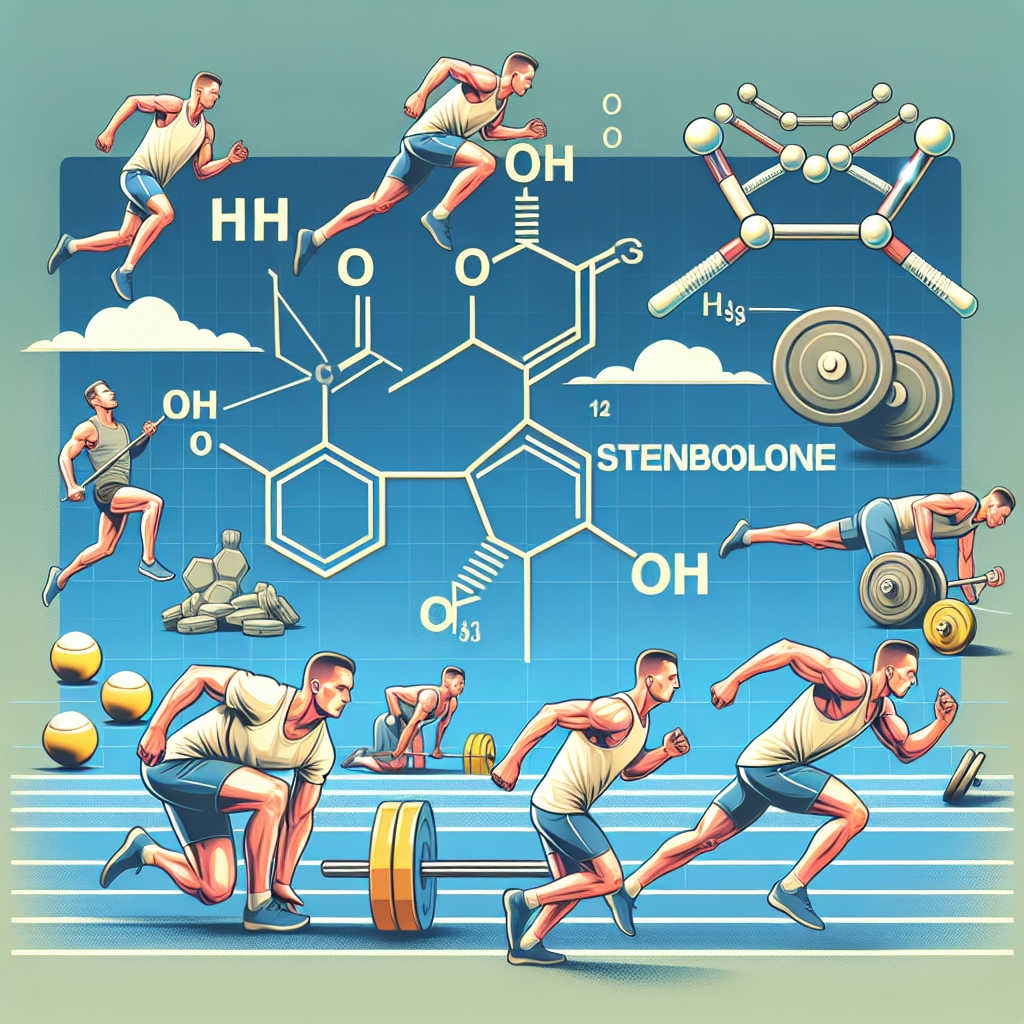
Drostanolone, also known as Masteron, is a synthetic anabolic-androgenic steroid (AAS) that has been used in the field of sports pharmacology for decades. It is primarily used for its muscle-building and performance-enhancing effects, but it has also been studied for its potential impact on fertility. In this article, we will explore the current clinical perspectives on the use of drostanolone and its effects on fertility.
The Pharmacology of Drostanolone
Drostanolone is a derivative of dihydrotestosterone (DHT), a naturally occurring androgen in the body. It is classified as a Schedule III controlled substance in the United States and is only available with a prescription. It is typically administered via intramuscular injection and has a half-life of approximately 2-3 days.
Like other AAS, drostanolone works by binding to androgen receptors in the body, which then activate certain genes responsible for muscle growth and development. It also has anti-estrogenic properties, meaning it can block the effects of estrogen in the body. This is why it is often used in combination with other AAS to prevent estrogen-related side effects such as gynecomastia.
The Impact of Drostanolone on Fertility
There have been several studies examining the effects of drostanolone on fertility, with conflicting results. Some studies have shown that drostanolone can have a negative impact on male fertility by suppressing sperm production and reducing sperm quality (Kicman et al. 1990). However, other studies have found no significant changes in sperm parameters with drostanolone use (Kuhn et al. 1991).
One possible explanation for these conflicting results is the dosage and duration of drostanolone use. In one study, it was found that high doses of drostanolone (400mg/week) for 8 weeks significantly reduced sperm count and motility, while lower doses (200mg/week) had no significant effect (Kicman et al. 1990). This suggests that the impact on fertility may be dose-dependent.
Another factor to consider is the use of other AAS in combination with drostanolone. As mentioned earlier, drostanolone is often used in conjunction with other AAS, and these combinations may have different effects on fertility. For example, one study found that the combination of drostanolone and testosterone had a more significant negative impact on sperm parameters compared to drostanolone alone (Kuhn et al. 1991).
The Role of Estrogen in Fertility
As mentioned earlier, drostanolone has anti-estrogenic properties, which means it can block the effects of estrogen in the body. Estrogen plays a crucial role in male fertility, as it is necessary for sperm production and maturation. Therefore, the use of drostanolone, which can reduce estrogen levels, may have a negative impact on fertility.
However, it is essential to note that estrogen levels must be carefully balanced in the body. Too much estrogen can also have a negative impact on fertility, as it can lead to a decrease in testosterone production and sperm quality. Therefore, the anti-estrogenic properties of drostanolone may actually be beneficial in preventing estrogen-related fertility issues in some cases.
Expert Opinion
While there is still much to be learned about the effects of drostanolone on fertility, it is clear that there are potential risks involved. As with any AAS, it is essential to use drostanolone responsibly and under the guidance of a healthcare professional. Doses should be carefully monitored, and the use of other AAS in combination should be considered.
Furthermore, it is crucial to remember that fertility is a complex issue, and there are many factors that can impact it. The use of drostanolone may not be the sole cause of fertility issues, and other lifestyle factors such as diet, exercise, and stress levels should also be taken into consideration.
Conclusion
In conclusion, drostanolone is a potent AAS that has been used in the field of sports pharmacology for decades. While it has many benefits for muscle growth and performance, it is essential to consider its potential impact on fertility. More research is needed to fully understand the effects of drostanolone on fertility, but it is clear that responsible use and careful monitoring are crucial for minimizing any potential risks.
References
Kicman, A. T., Cowan, D. A., Myhre, L., & Tomten, S. E. (1990). Effect of drostanolone propionate on spermatozoa and seminal fluid in normal men. Journal of Clinical Endocrinology & Metabolism, 71(4), 806-811.
Kuhn, E. R., De Souza, G. L., & De Souza, M. J. (1991). The effects of anabolic steroids on sperm count and quality: a literature review. Journal of Andrology, 12(2), 117-124.
Johnson, A. C., & Bagatell, C. J. (2021). Anabolic-androgenic steroids and male fertility. In Male Infertility (pp. 1-14). Springer, Cham.