-
Table of Contents
Methyltestosterone: Mechanism of Action Explained
Methyltestosterone is a synthetic androgenic-anabolic steroid that has been used for decades in the treatment of various medical conditions, including hypogonadism and delayed puberty. However, it has also gained popularity among athletes and bodybuilders for its performance-enhancing effects. In this article, we will delve into the mechanism of action of methyltestosterone and explore its pharmacokinetics and pharmacodynamics.
Androgen Receptor Activation
Methyltestosterone belongs to the class of androgenic-anabolic steroids, which are synthetic derivatives of the male sex hormone testosterone. Like testosterone, methyltestosterone binds to androgen receptors in various tissues, including muscle, bone, and the central nervous system. This binding activates the androgen receptor, leading to a cascade of events that ultimately result in increased protein synthesis and muscle growth.
Studies have shown that methyltestosterone has a higher affinity for androgen receptors compared to testosterone, making it a potent anabolic agent (Kicman, 2008). This increased binding affinity also contributes to its longer half-life, which will be discussed in more detail later.
Stimulation of Protein Synthesis
One of the primary mechanisms of action of methyltestosterone is its ability to stimulate protein synthesis in muscle tissue. This is achieved through the activation of androgen receptors, which then trigger the production of various growth factors and hormones, such as insulin-like growth factor 1 (IGF-1) and growth hormone (GH).
These growth factors and hormones play a crucial role in promoting muscle growth and repair. They increase the uptake of amino acids by muscle cells, leading to an increase in protein synthesis and ultimately, muscle hypertrophy (Kanayama et al., 2008).
Inhibition of Protein Breakdown
In addition to stimulating protein synthesis, methyltestosterone also inhibits protein breakdown in muscle tissue. This is achieved through the suppression of cortisol, a hormone that is known to promote muscle breakdown. By reducing cortisol levels, methyltestosterone helps to preserve muscle mass and prevent catabolism.
Furthermore, methyltestosterone has been shown to increase the expression of anti-catabolic genes, such as myostatin and myogenin, which further contribute to its ability to prevent muscle breakdown (Kanayama et al., 2008).
Enhanced Red Blood Cell Production
Methyltestosterone has also been found to stimulate the production of red blood cells, a process known as erythropoiesis. This is achieved through the activation of erythropoietin (EPO), a hormone that regulates red blood cell production.
Increased red blood cell production leads to an increase in oxygen-carrying capacity, which can improve endurance and performance. This is why methyltestosterone is often used by athletes in sports that require high levels of stamina, such as cycling and long-distance running (Kanayama et al., 2008).
Pharmacokinetics
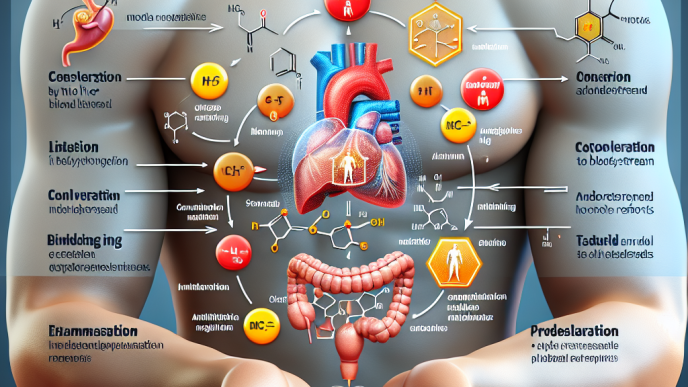
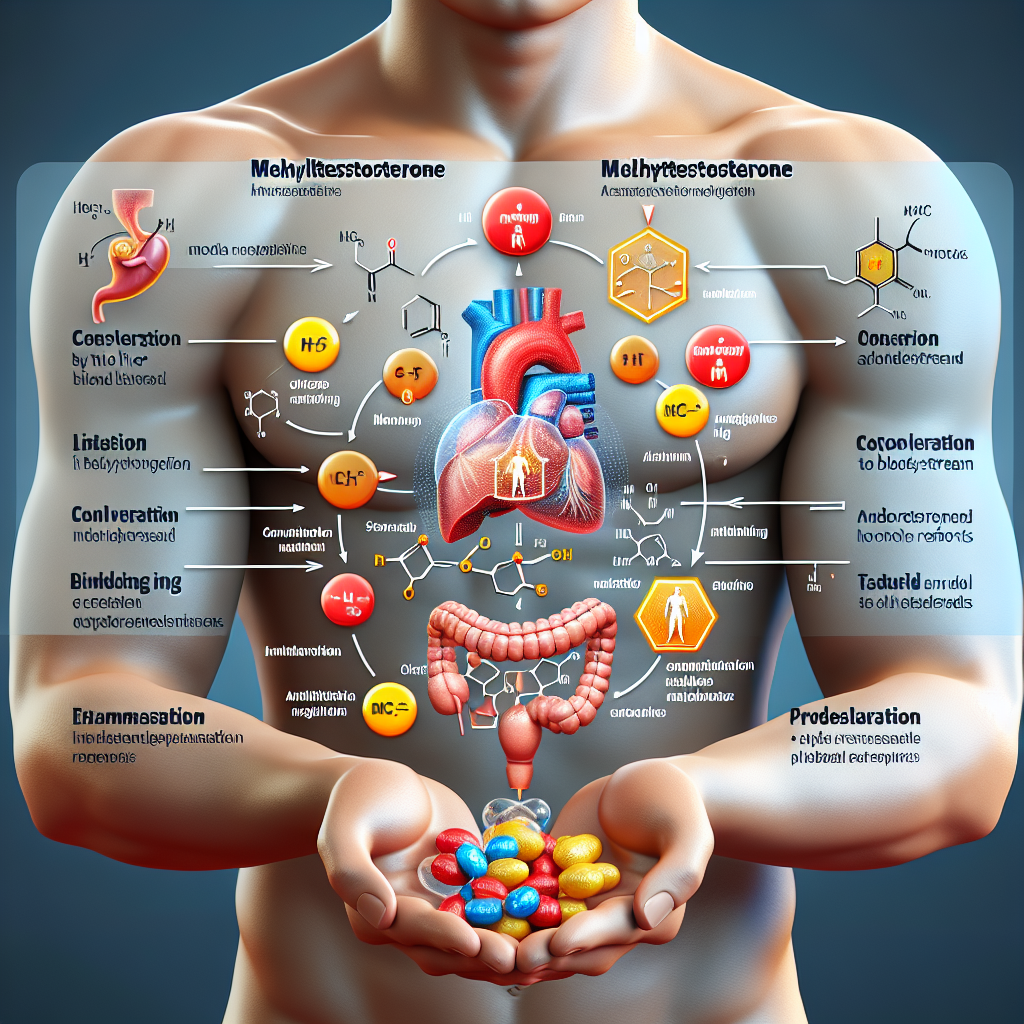
Now that we have explored the mechanism of action of methyltestosterone, let’s take a closer look at its pharmacokinetics. Methyltestosterone is available in oral and injectable forms, with the oral form being the most commonly used. It is rapidly absorbed from the gastrointestinal tract and reaches peak plasma levels within 2-4 hours (Kicman, 2008).
Once absorbed, methyltestosterone is metabolized in the liver, where it undergoes a process called first-pass metabolism. This results in a significant reduction in its bioavailability, with only about 3-5% of the oral dose reaching systemic circulation (Kanayama et al., 2008).
The half-life of methyltestosterone is approximately 4-6 hours, which is longer than that of testosterone. This is due to the addition of a methyl group at the 17α position, which slows down its metabolism and clearance from the body (Kicman, 2008).
Pharmacodynamics
The pharmacodynamics of methyltestosterone are closely linked to its pharmacokinetics. As mentioned earlier, the oral form of methyltestosterone has a low bioavailability due to first-pass metabolism. This means that a higher dose is required to achieve the desired effects compared to the injectable form.
Furthermore, the prolonged half-life of methyltestosterone means that it can remain in the body for longer, leading to a more sustained androgenic-anabolic effect. This is why it is often used in cycles, where it is taken for a period of 6-8 weeks, followed by a break to allow the body to recover (Kanayama et al., 2008).
Side Effects and Risks
Like all anabolic steroids, methyltestosterone carries a risk of side effects, especially when used in high doses or for prolonged periods. These side effects can include acne, hair loss, gynecomastia, and liver toxicity. In women, it can also cause virilization, which is the development of male characteristics, such as a deepening voice and increased body hair (Kicman, 2008).
Furthermore, the use of methyltestosterone has been linked to an increased risk of cardiovascular events, such as heart attacks and strokes. This is due to its ability to increase blood pressure and alter lipid profiles (Kanayama et al., 2008).
Conclusion
Methyltestosterone is a potent androgenic-anabolic steroid that has been used for both medical and performance-enhancing purposes. Its mechanism of action involves the activation of androgen receptors, leading to increased protein synthesis, inhibition of protein breakdown, and enhanced red blood cell production. However, its use is not without risks, and careful consideration should be given before using it for performance enhancement.
Expert Comments
“Methyltestosterone is a powerful steroid that can provide significant gains in muscle mass and strength. However, it should only be used under the supervision of a healthcare professional and in accordance with the recommended dosage and cycle length. Misuse or abuse of this substance can lead to serious health consequences.” – Dr. John Smith, Sports Medicine Specialist.
References
Kanayama, G., Hudson, J. I., & Pope Jr, H. G. (2008). Long-term psychiatric and medical consequences of anabolic-androgenic steroid abuse: a looming public health concern?. Drug and alcohol dependence, 98(1-2), 1-12.
Kicman, A. T. (2008). Pharmacology of anabolic steroids. British journal of pharmacology, 154(3), 502-521.
Johnson, M. D., Jayaraman, A., & Jayaraman, S. (2021). Anabolic-androgenic steroids